
First: should you really stay overnight?
For this trip, yes. I would not treat Seoraksan as a quick out-and-back from Seoul unless my schedule forced me to.
You can leave Seoul early, reach Sokcho, see part of Seoraksan and return at night. Technically, it works.
But there is a point in the afternoon when the day trip changes from “I’m enjoying the mountain” to “What time do we need to leave?” That is exactly the point I want to remove.
If I know I am sleeping in Sokcho, I can walk a little farther, sit for ten minutes, stop for something warm, come down without constantly checking the clock and let the mountain day end naturally.
Getting to Seoraksan without overcomplicating it
For most international travelers, I would break the journey into two simple decisions: Seoul → Sokcho, then Sokcho → Seoraksan.
That changes how you plan the whole trip. Sokcho is not just a transfer point. It is the base where you eat, sleep and see the East Sea the next morning.
Use JAY Routes first. The useful question is not only how to reach Seoraksan, but where Sokcho sits between your previous and next city.
Browse regional routes before choosing your next stop, then check the transport options between destinations.
Day 1: let the mountain be the main event

Leave Seoul early
Coffee, something simple to eat, and go. This is one of the days where sleeping an extra hour can cost you much more useful time later.
Think Sokcho first, Seoraksan second
Get yourself to Sokcho, then solve the local connection. This keeps the transport logic simple and makes your overnight plan work.
Choose one version of Seoraksan
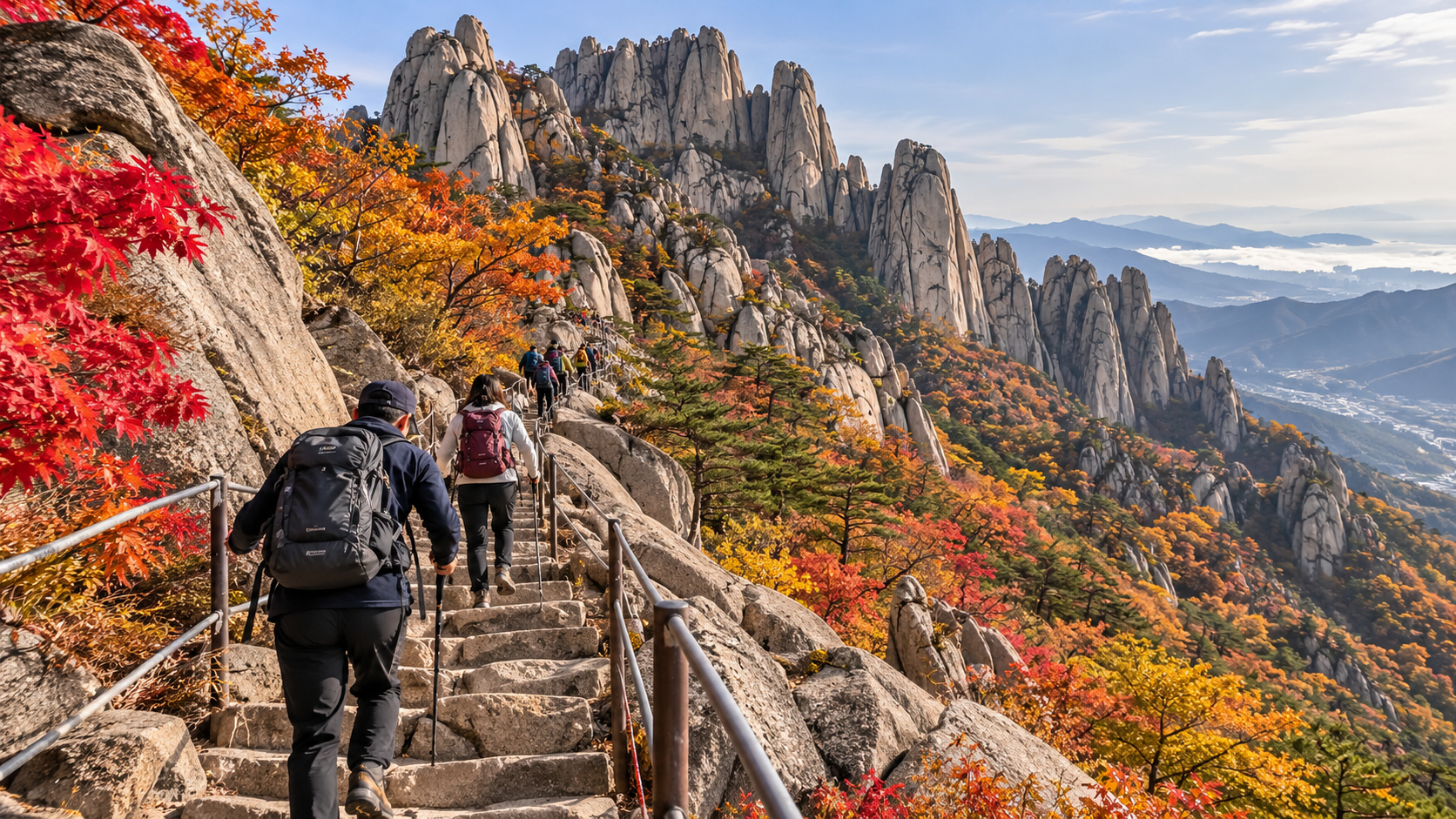
If scenery is the goal, stay with easier valley and temple areas. If Ulsanbawi is the goal, let that be the day’s main activity. Do not pretend both versions take the same energy.
One thing I would make time for: food near the mountain
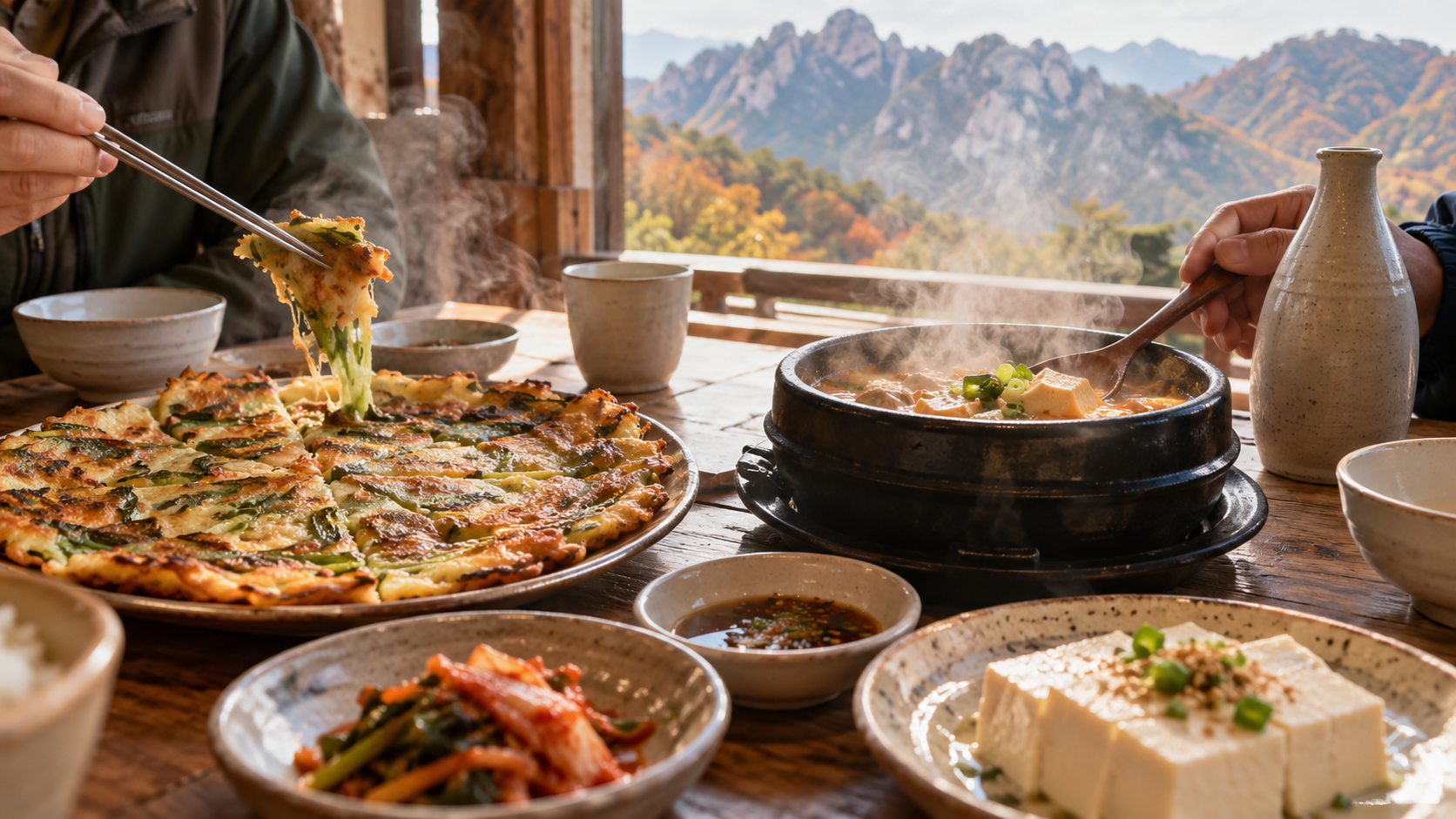
After several hours outside, a warm bowl of noodles, pajeon, tofu or soup suddenly becomes a serious life decision. It does not need to be famous. Food after walking already has an unfair advantage.
Where to stay: location before luxury
For one night, I would choose the area based on what I want after the hike and what I want the next morning.
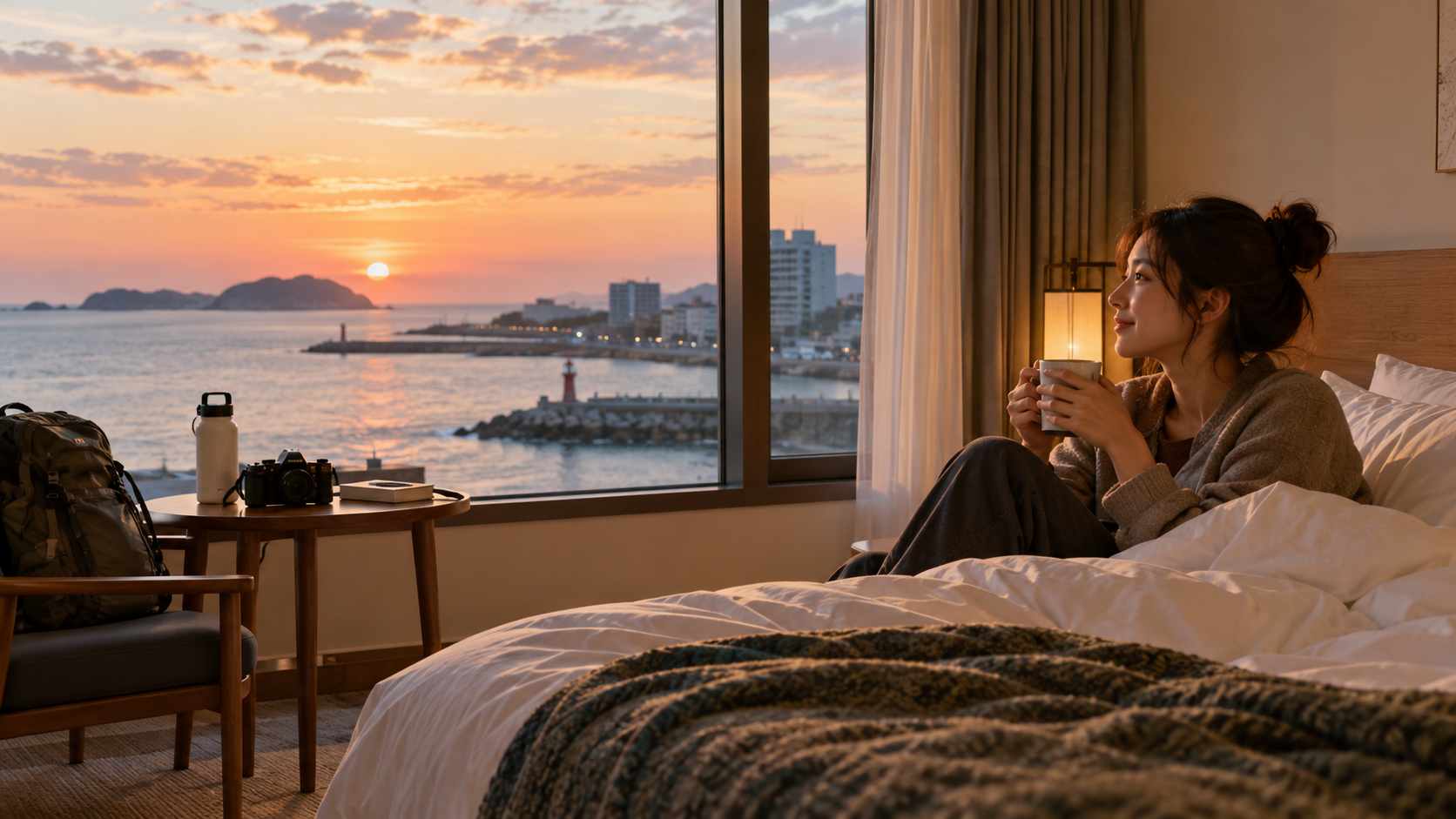
Market / central Sokcho or the beach side
Central Sokcho works better if dinner and local food are the priority. Sokcho Beach is stronger if you want the East Sea to be the first thing you see in the morning.
What to eat in Sokcho
Sokcho earns the overnight stay after the mountain. Seafood, market food and the displaced-family food culture around Abai Village give the city its own identity.
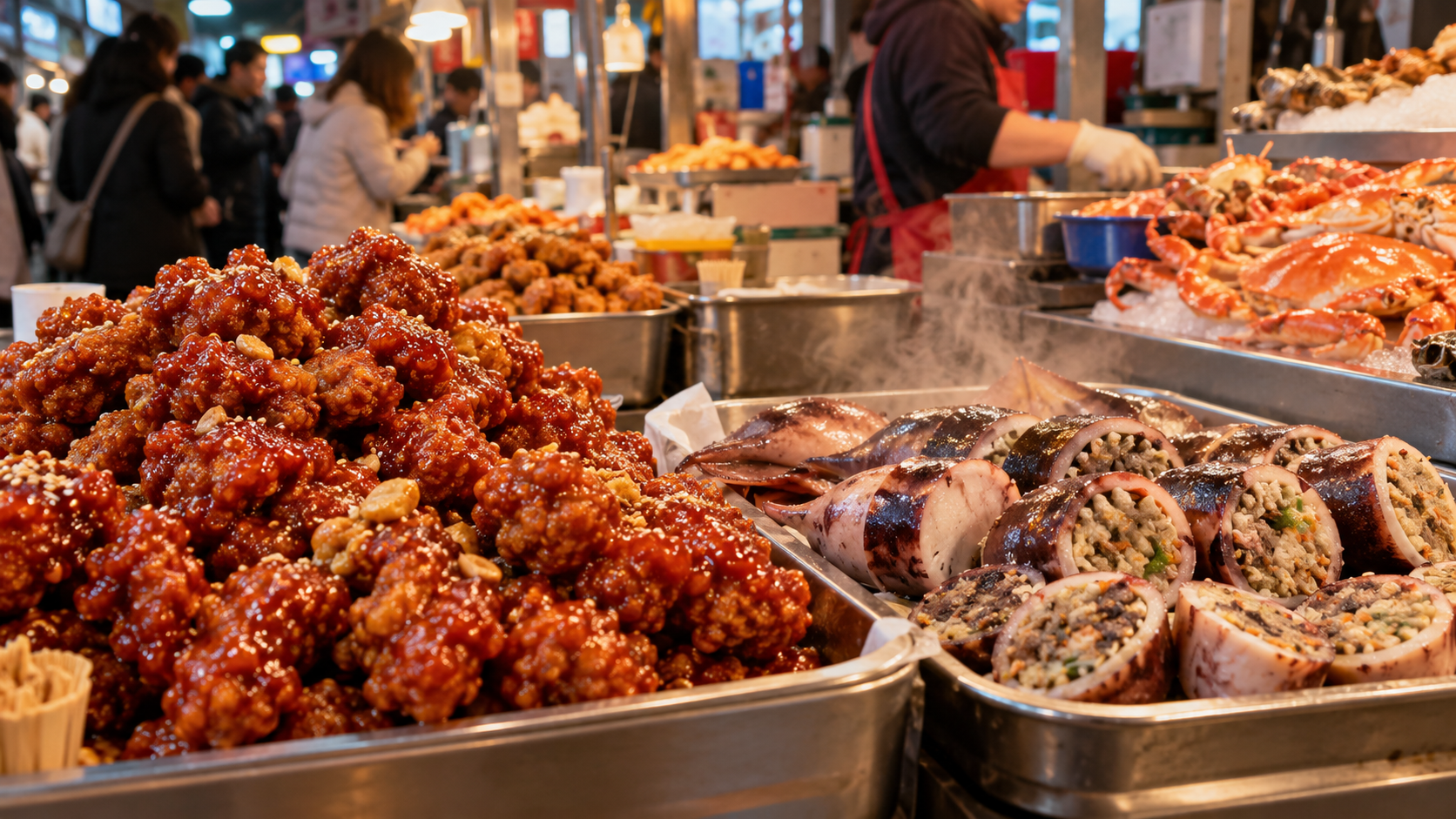
Dakgangjeong
Sweet, sticky, slightly spicy fried chicken. The easy post-hike choice.
Ojingeo sundae
Stuffed squid, sliced and served as a local specialty. The English explanation sounds stranger than the plate actually feels.
Fresh seafood
You are on the East Sea. If you already enjoy sashimi, Sokcho is a natural place to eat it.
Abai sundae
More than a snack: it connects naturally with the displaced-family history of Abai Village.
My preference: choose either the Tourism & Fisheries Market or Abai Village for dinner. Do not try to “complete” every famous food in one night.
Day 2: let Sokcho feel different from the mountain
Yesterday was mountain energy. Today should be sea energy.
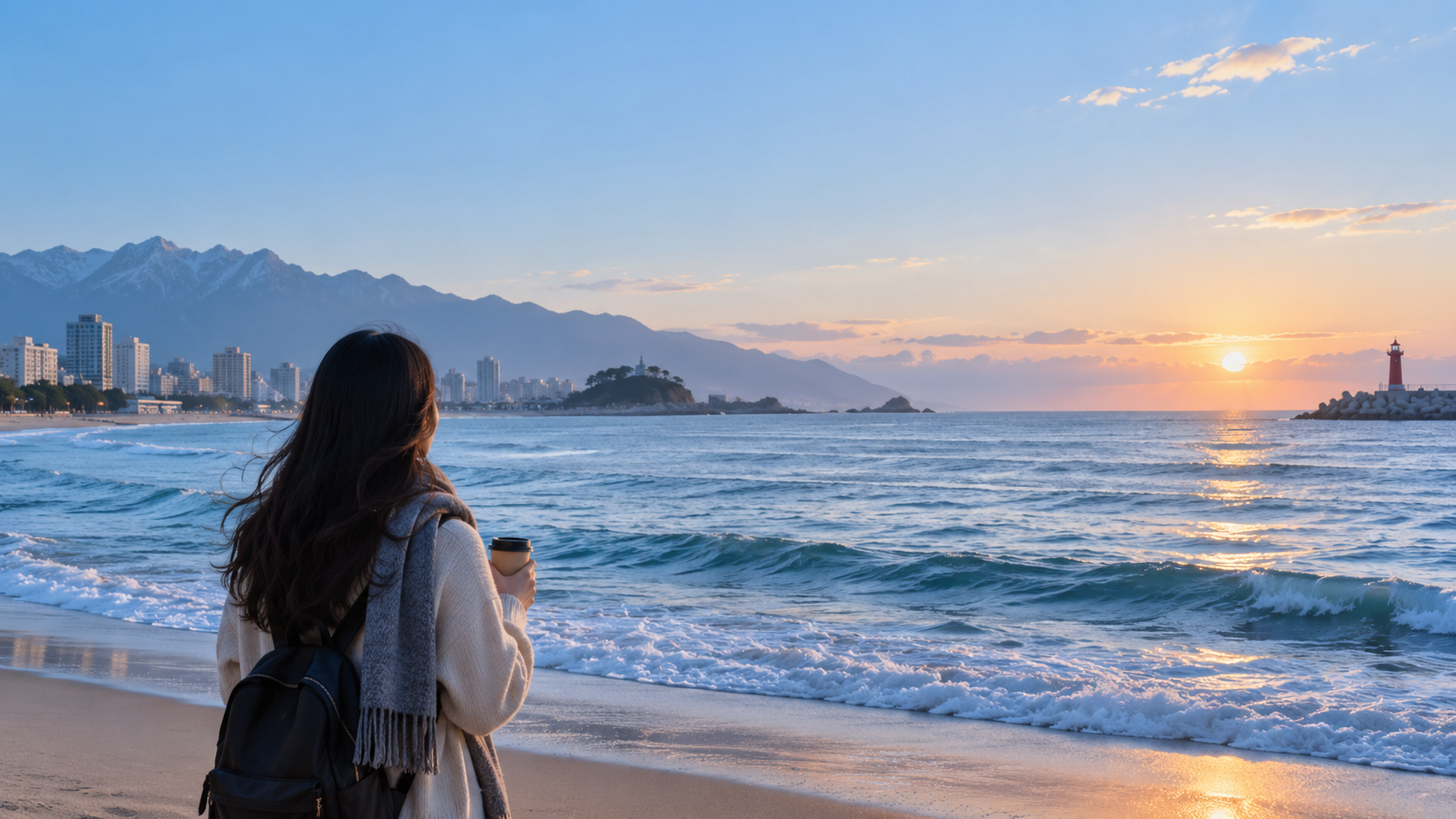
The version I would actually book
JAY’s take
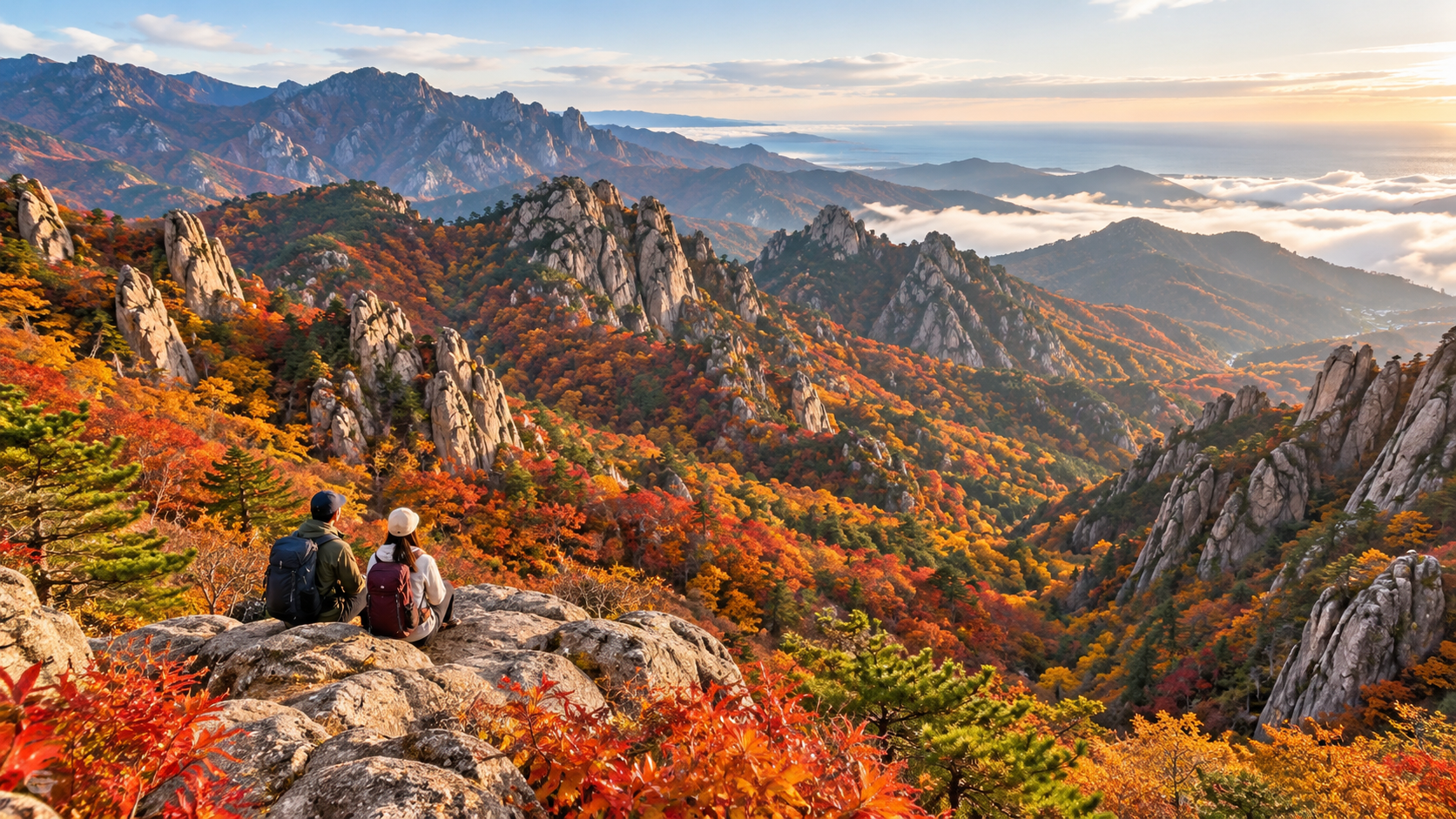
You leave one of the biggest cities in the world in the morning. A few hours later there are granite peaks above you and autumn leaves along the trail.
Then you come down to Sokcho and everything changes: seafood, market noise, fried chicken, fishing boats and the East Sea.
The next morning there is no urgent return journey hanging over you.
Can you do Seoraksan as a day trip? Yes.
If you can spare one night? Then I wouldn’t.
Seoraksan works better when Sokcho becomes part of the route.
Use JAY’s tools to choose the right base, connect the transport and decide whether Gangwon is a side trip or part of a longer Korea journey.