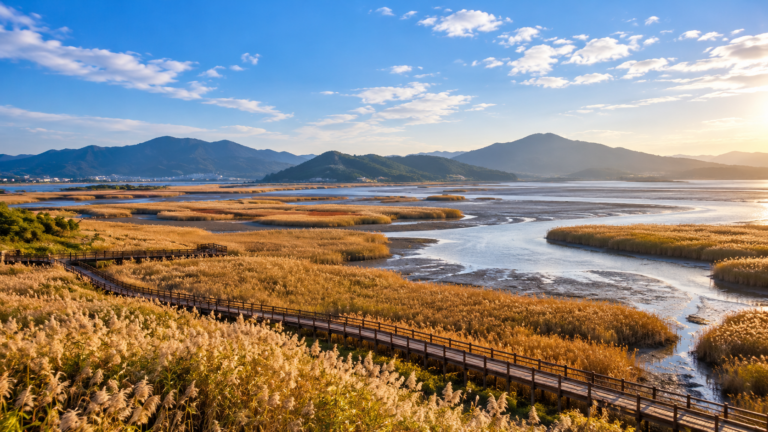


This is not a guide assembled from search results. I went there, walked the 12 Apostles trail, stayed on the island for two nights, ate with local people, rode the ferry, waited for the tide, and photographed what I saw.
I used to think of Mokpo as the destination. Then I started looking at the islands.
For a long time, Mokpo was simply Mokpo to me. I had been there many times, and I knew the station, the waterfront, the food and the familiar feeling of arriving in Korea’s southwest.
But sometime around February 2026, I became interested in the islands beyond Mokpo. I started thinking that this kind of trip could give foreign travelers something very different from Seoul, Busan, Jeju or the usual Korea itinerary.
Not because it is more famous. Almost the opposite.
Shinan felt special because it was quieter, less obvious and a little harder to define. So instead of recommending it from a map, I decided to go myself. I built the route, drove to the port, took the ferry, walked the trail, stayed overnight and tried to understand what this place actually feels like.
Mokpo Station → Songgong Port: the easy part
My trip began at Mokpo Station. For my own route, a rental car had already been arranged for the mainland leg, so getting from the station to Songgong Port was simple.
You can follow the general route on Google Maps, but the in-car navigation system made the drive even easier. The road itself was not the difficult part. What changed was the scenery.
The farther I moved away from Mokpo, the more the sea stopped looking like a single horizon. Shinan is widely branded as the “1004 Islands,” and that idea suddenly made visual sense. Instead of one empty line where the sea ends, I kept seeing islands behind islands—large ones, tiny ones, dark silhouettes and low shapes disappearing into the haze.
It reminded me of an adventure film. Not because the landscape looked tropical, but because the sea seemed to have layers. There was always another island sitting behind the one I was already looking at.
The ferry ride was part of the trip, not dead time
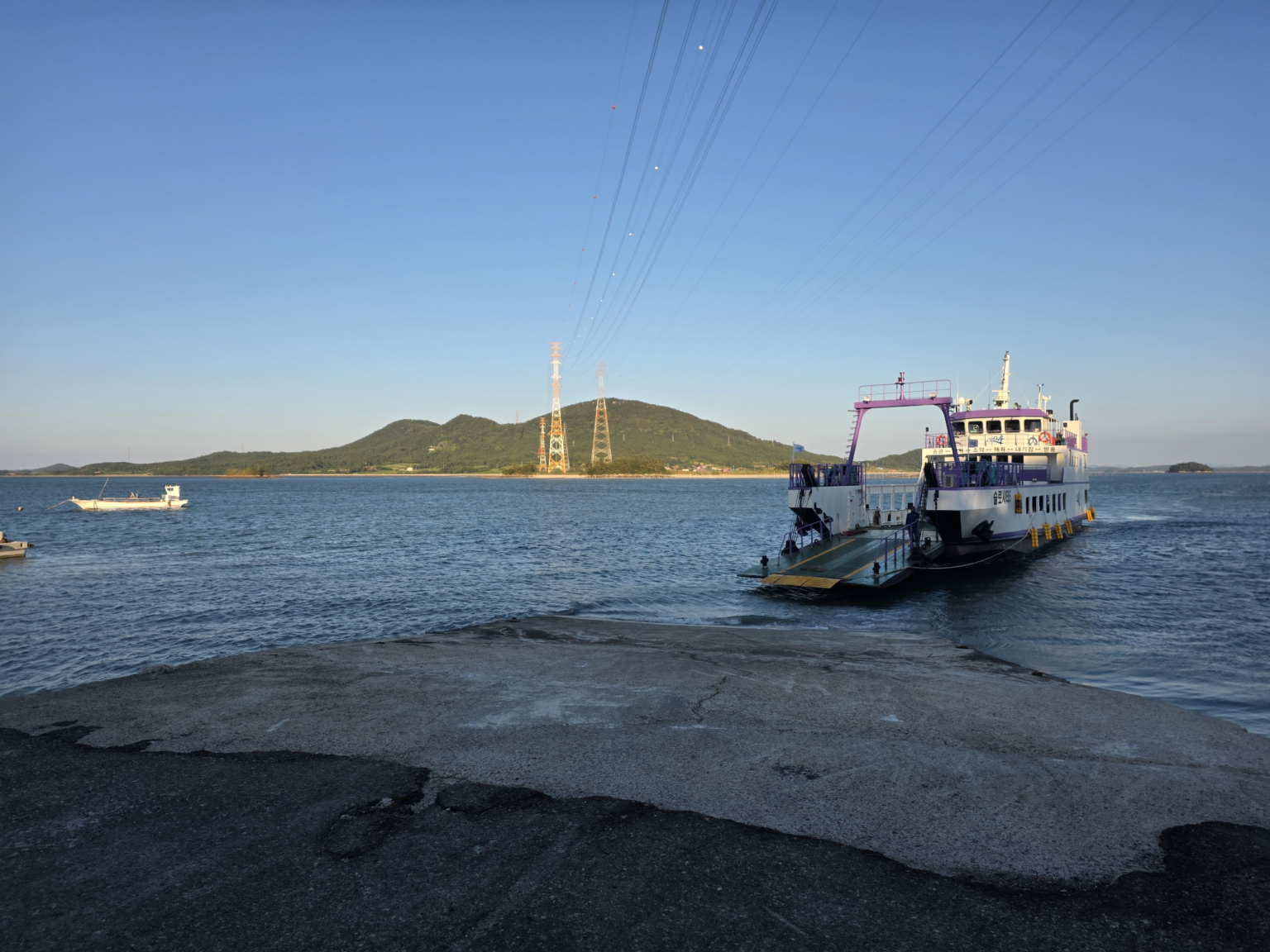
I can get seasick, so I expected the crossing to be the part I would simply endure. My ride took around 40 minutes, and I thought I might spend most of that time sitting inside.
I did the opposite.
I stayed outside for almost the entire journey. The water was much calmer than I had imagined, and the ferry moved through the kind of scenery that made me keep turning my head—small islands, fishing boats, bridges, distant coastlines and the layered Shinan archipelago.
That was the moment the trip started to feel different. Mokpo was not far away in terms of time, but after a short ferry ride it already felt like I had entered another pace of Korea.
Once you arrive, the pace changes immediately
Soakdo is not a place where I would arrive expecting city-style transportation. When I visited, ordinary tourist vehicles were not simply circulating around the island trail the way they would in a city or on a major resort island.
The roads can be narrow and irregular, and that makes sense once you see the place. Local vehicles and tour vehicles operate, but for visitors the realistic experience is walking, using an electric bicycle, or taking a small cart where available.
I actually think that limitation helps the island. Soakdo makes more sense when you slow down.
The 12 Apostles trail is more than a trekking course
The route is commonly described as roughly 12 kilometers and connects a chain of small islands and tidal roads. But after walking it myself, calling it only a trekking course feels incomplete.
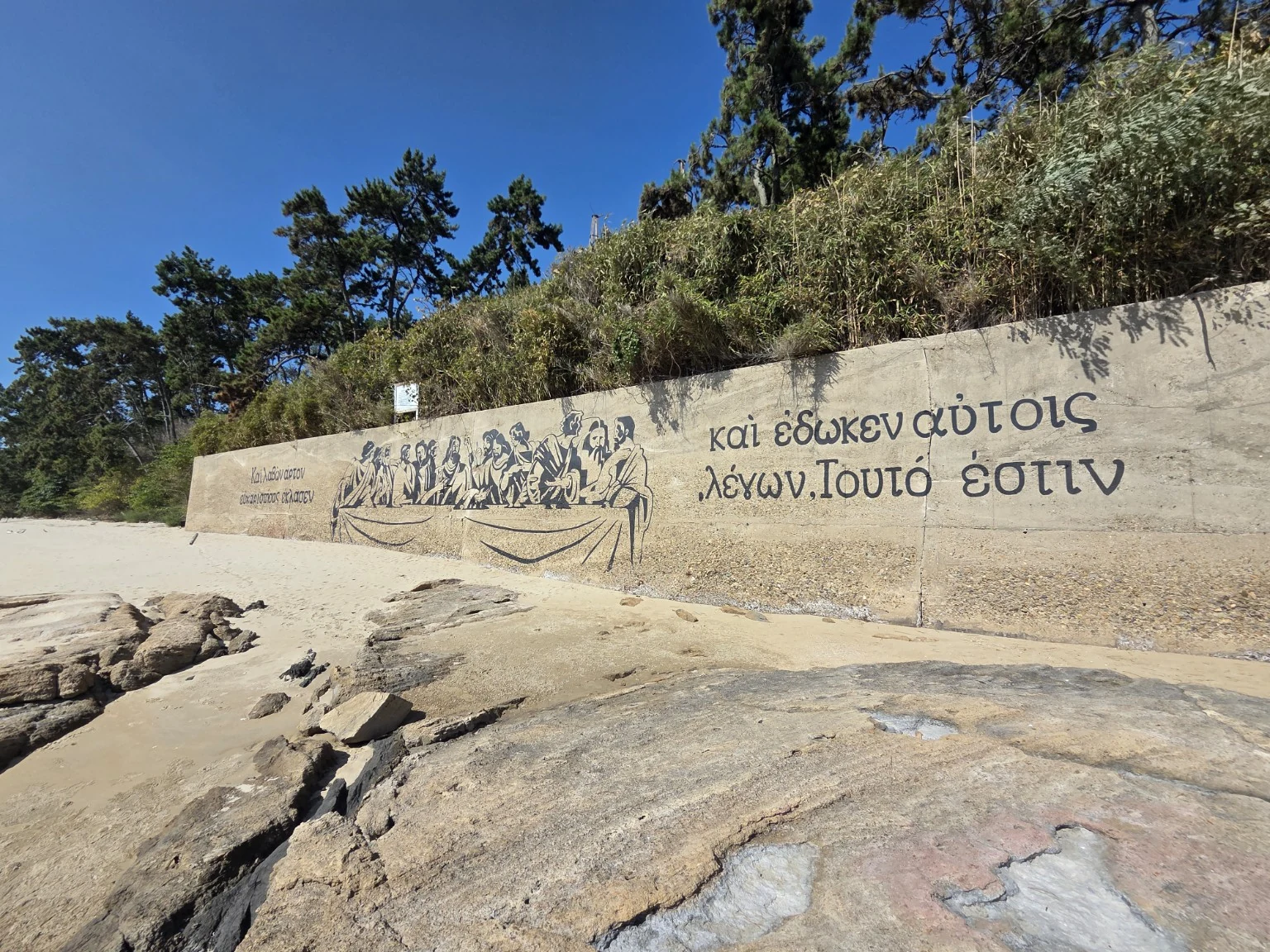
The real experience is the combination of nature, small villages, tidal flats, quiet roads and the 12 architectural works inspired by the Twelve Apostles. Even if you are not religious, the route works because the buildings sit inside the landscape rather than competing with it.
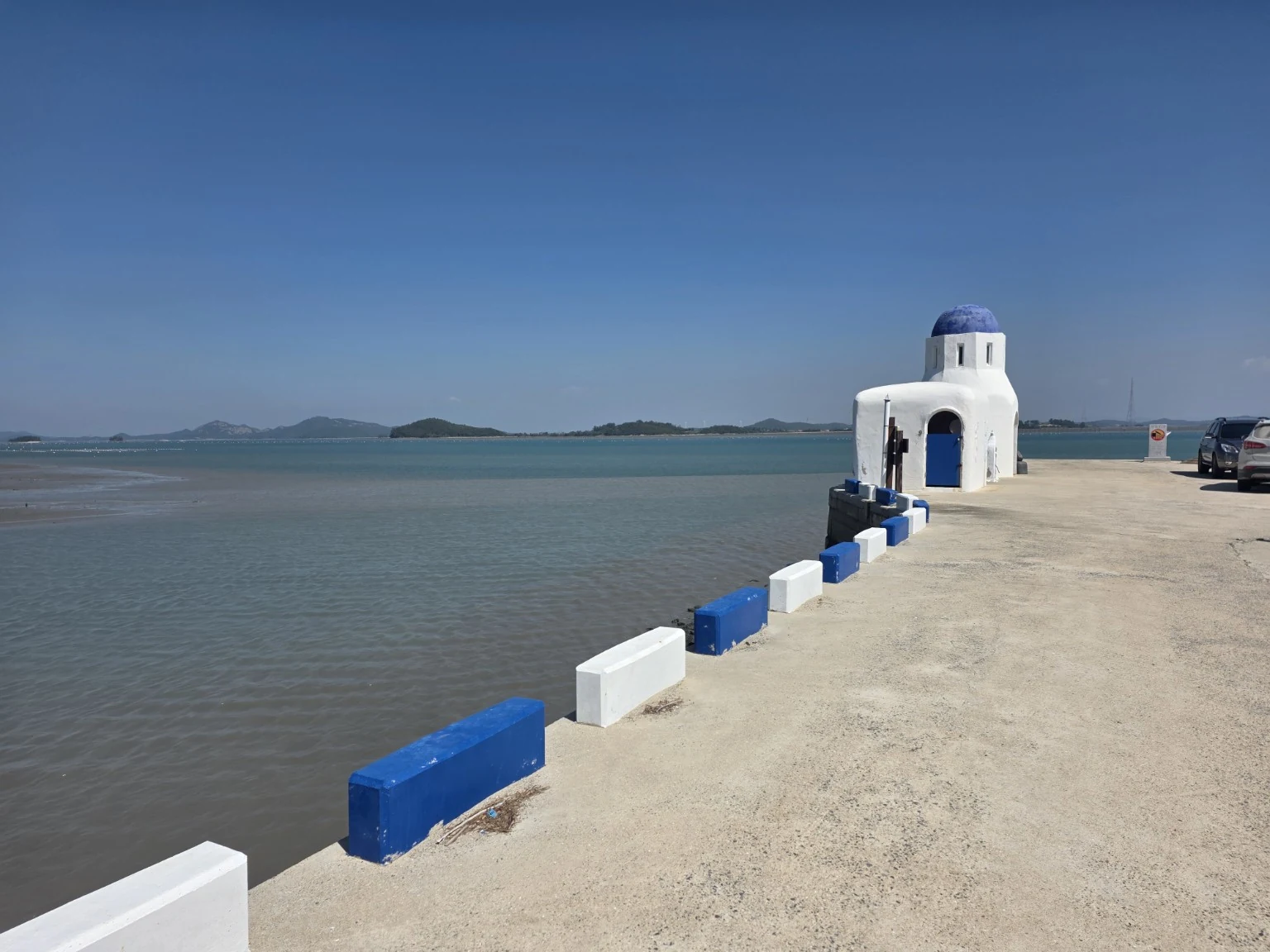
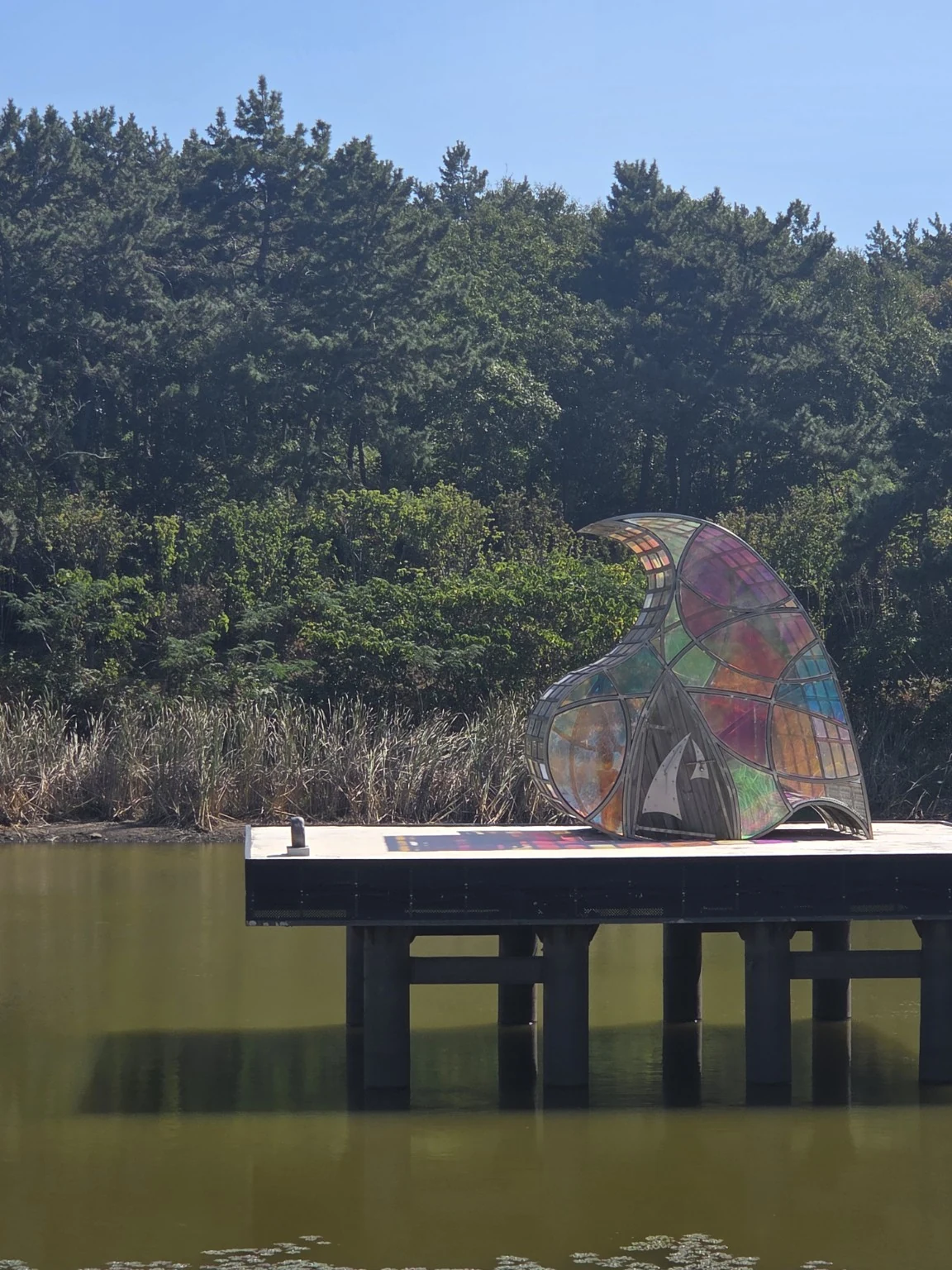
I am not an experienced trekker. I get tired of long walks quite easily. Even so, my own walk took around two to three hours depending on how often I stopped. When I later looked around more leisurely by cart, it was closer to an hour and a half.
That does not mean every visitor will move at the same speed. Tide, weather, photo stops, fitness and which sections you walk will change the timing. But for me, it never felt like a hard mountain hike. There was no summit to conquer. The reward was the changing scenery.
The view on the way back out was one of my favorite details
One thing I kept noticing inside the 12 Apostles structures was the view when I turned back toward the outside.
The buildings are small, but their doors, windows and openings frame the island almost like a picture. Each time I stepped inside and looked back toward the light, the mudflat, fields, rooftops and distant islands appeared in a different shape.
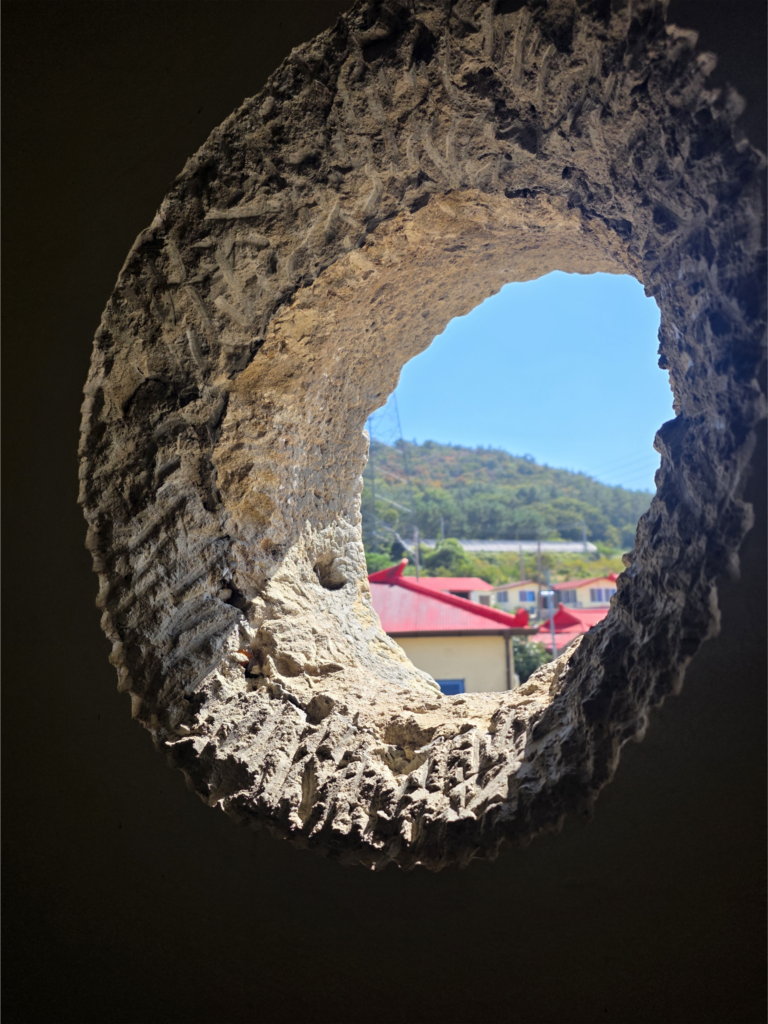

That small experience changed how I looked at the 12 Apostles. I stopped treating each structure as an object I had to “collect” and started paying attention to how it made me look at the island around it.
The tide is not background information. It controls the day.
Some of the islands and walking sections are connected by tidal causeways. When the tide is low, roads and mudflat edges appear. When the water rises, parts of that landscape change again.
This is why I would never recommend coming here with only a map and assuming every route will behave like a normal road all day. Check the tide. Check the ferry. Then plan the walking around both.

The wider Shinan–Muan tidal-flat system is now one of the component areas of UNESCO’s Getbol, Korean Tidal Flats World Heritage property. That does not mean every road or every patch of mudflat on Soakdo should be casually labeled “the UNESCO site,” but it does explain why the tidal landscape here feels like more than empty coastal ground.
Coffee, old music, and island time
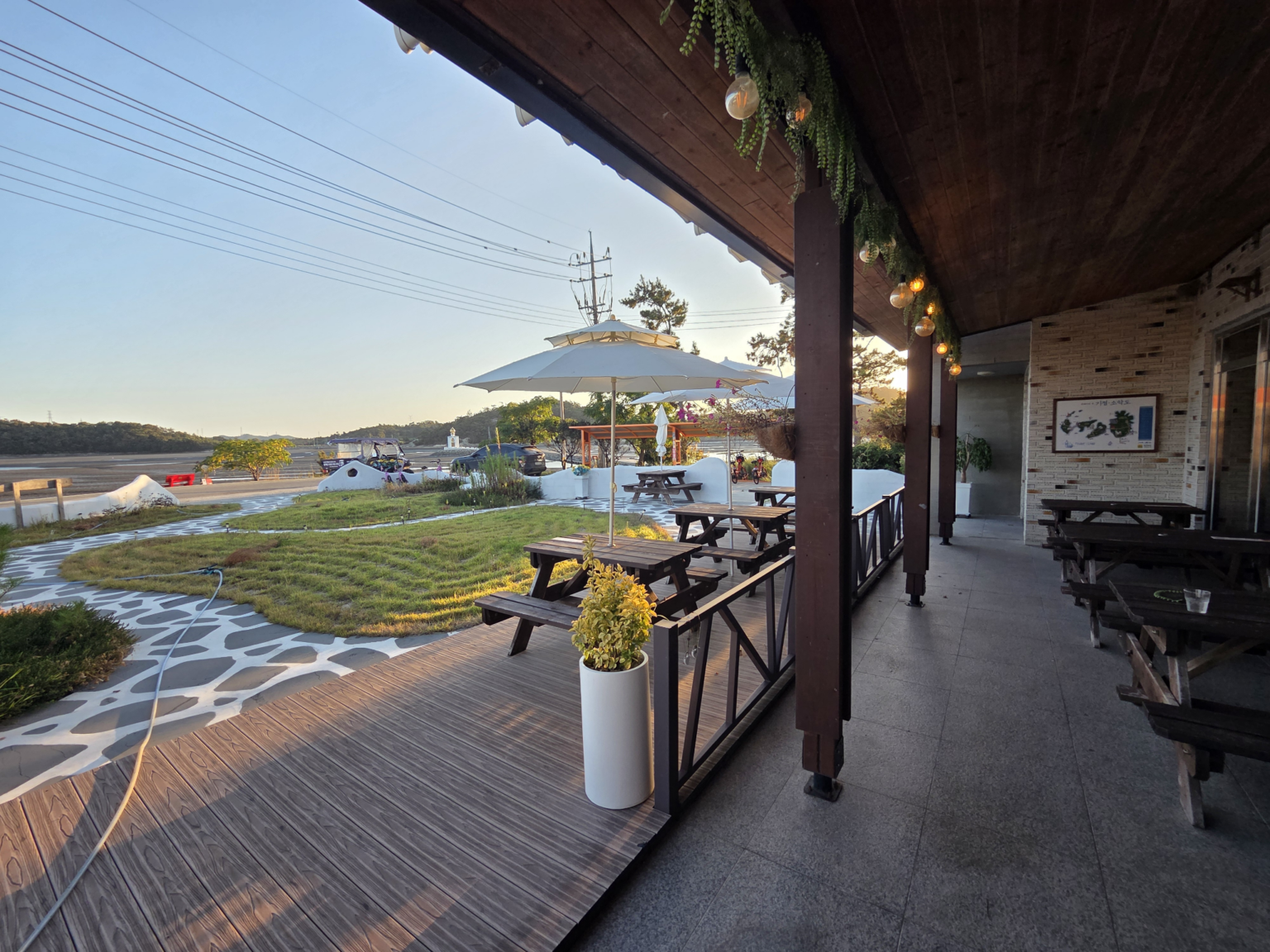
The cafe beside the guesthouse was not the kind of place where I ordered a coffee and immediately checked the next stop on my phone.
The beans had been roasted there. I watched them being ground before the coffee was brewed. Inside, old audio equipment and music gave the room a completely different rhythm from the cafes I am used to in cities.
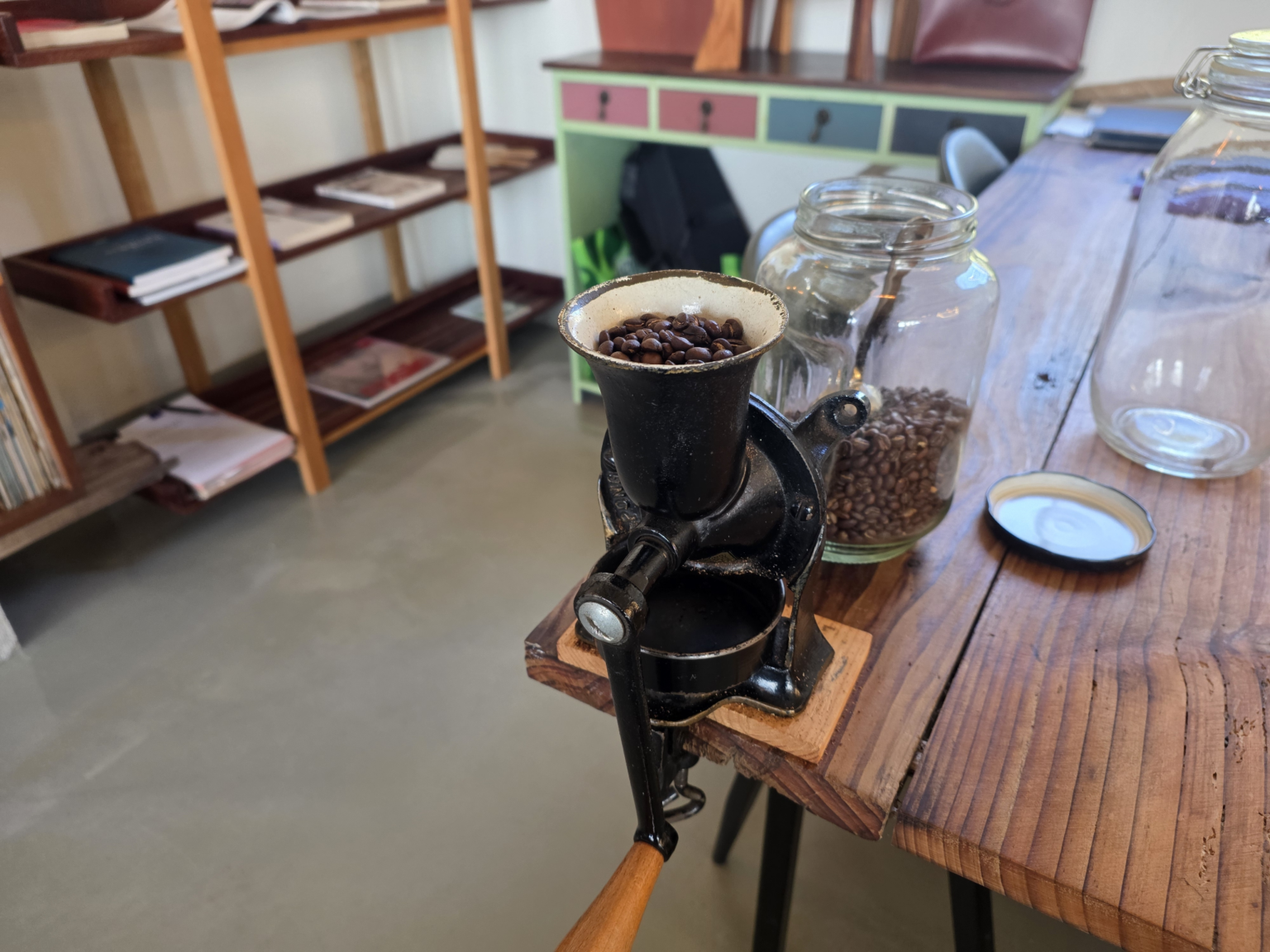
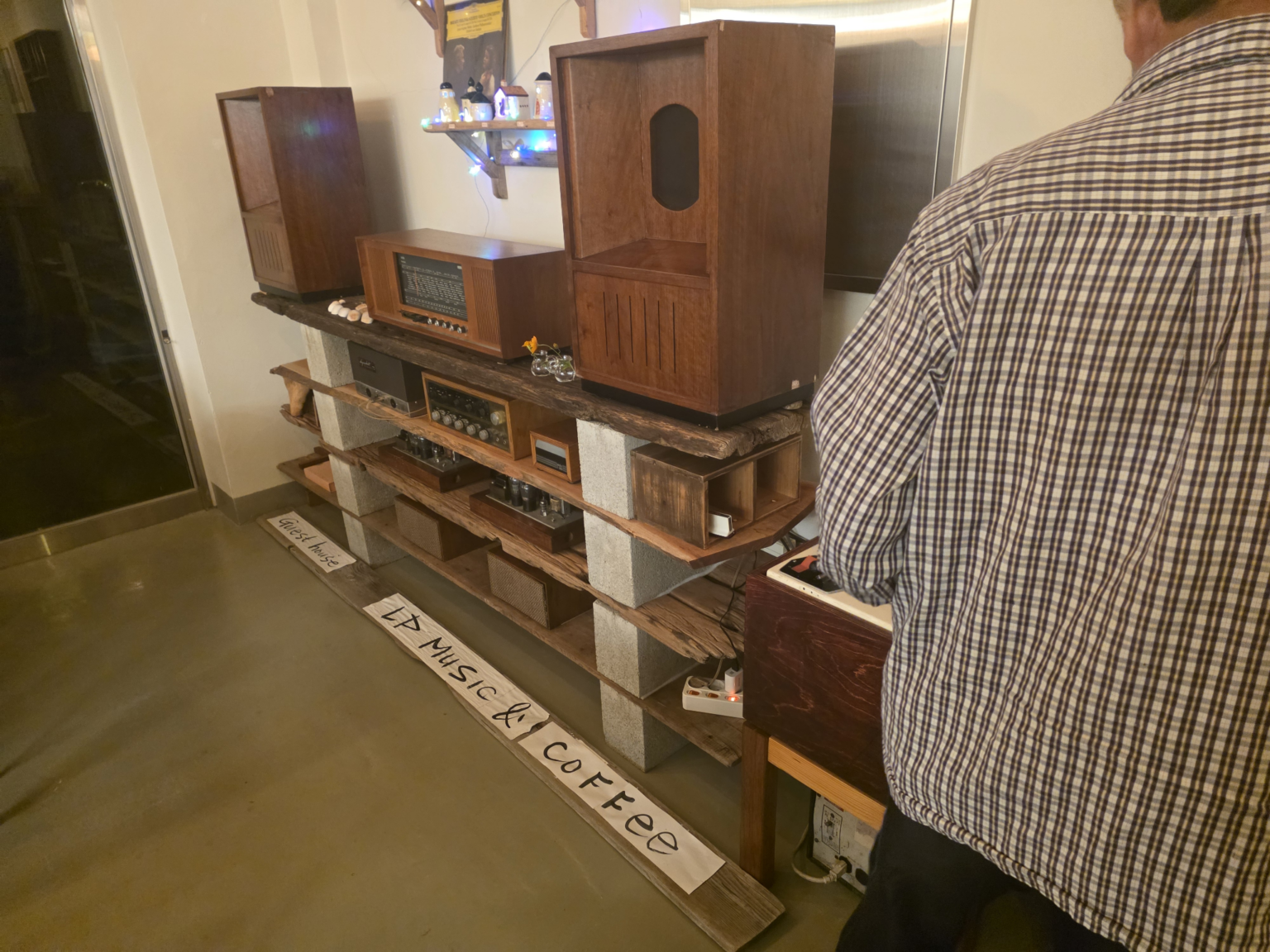
I sat with the coffee longer than I expected. Outside was the tidal flat and the island road. Inside was music.
There was nowhere I needed to rush to.
I stayed two nights — and that changed the trip
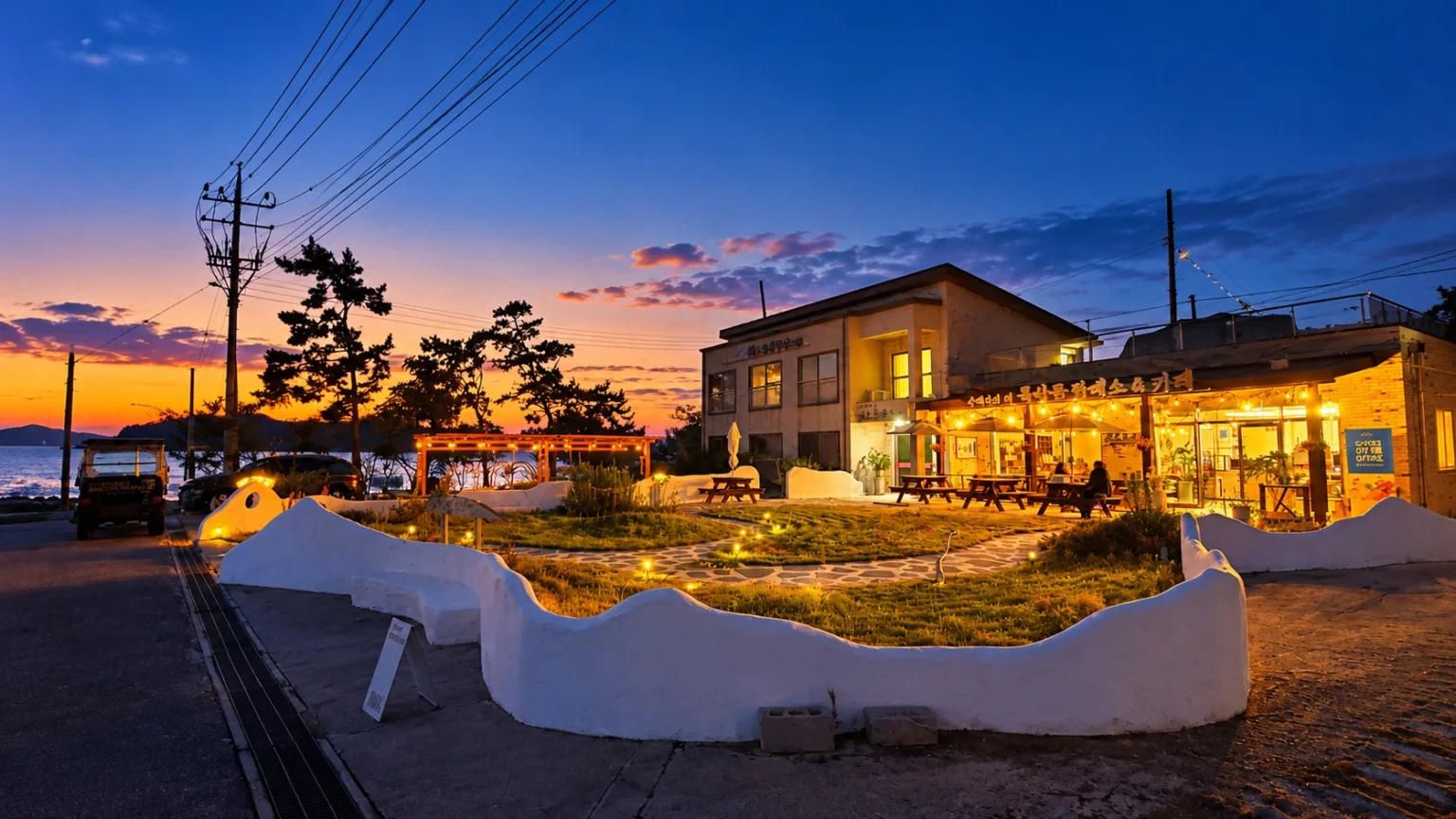
A day trip lets you see the 12 Apostles. Staying overnight lets you experience the island. Those are not the same thing.
After most daytime visitors disappear, Soakdo becomes extremely quiet. Small crabs cross the roadside. Artificial light is limited. And when the sky is clear, the stars feel completely different from what you see in a city.
One night, I sat with a cup of drip coffee and realized there was no itinerary left to follow. No next stop. No need to rush back to a station.
I was busy doing almost nothing—just looking at the sea, the outline of the islands, the road and the night sky.
The sunset was the moment that stayed with me
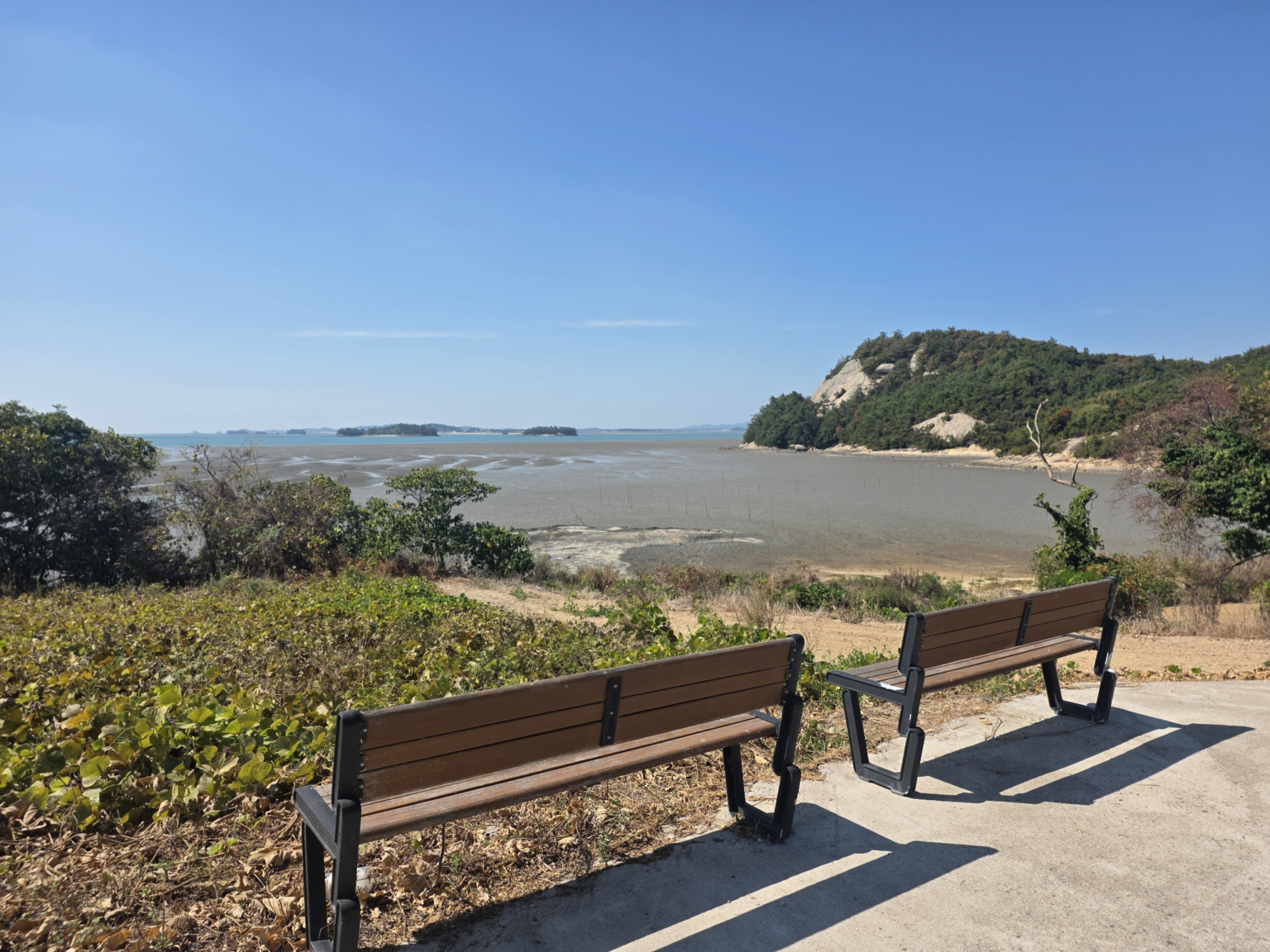
There are beautiful sunsets everywhere in Korea. That is not what made this one different.
It was everything around it: so few people, almost no noise, no giant hotel blocking the coast, no busy beach road, no need to find the “best photo spot.”
Just islands, water, sky and a landscape that still felt almost untouched.
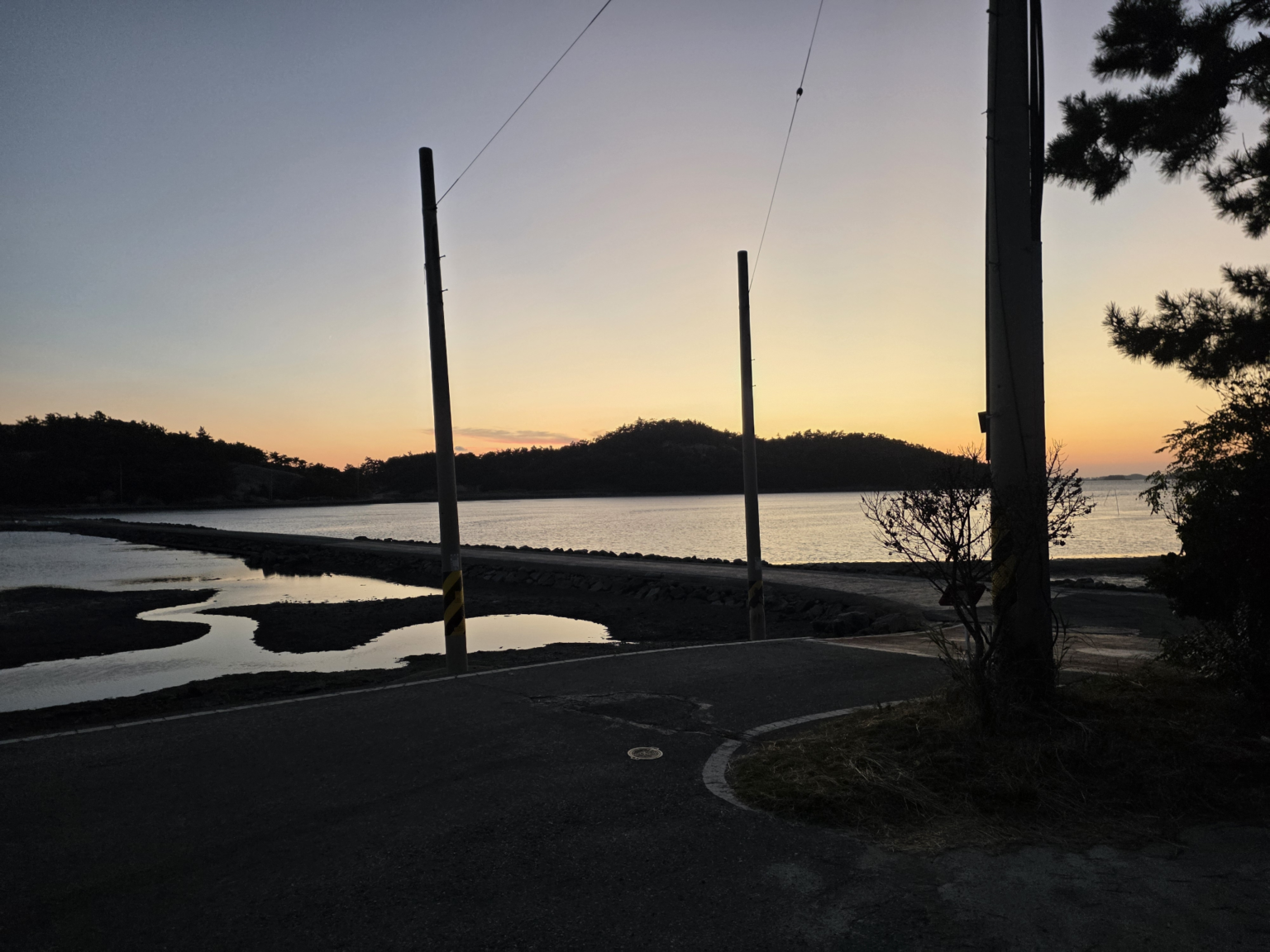
At low tide, the mudflat did not look empty to me. Thin water channels crossed the dark ground and caught the last light. From where I stood, it looked almost as if someone had diluted paint across a huge sheet of paper.
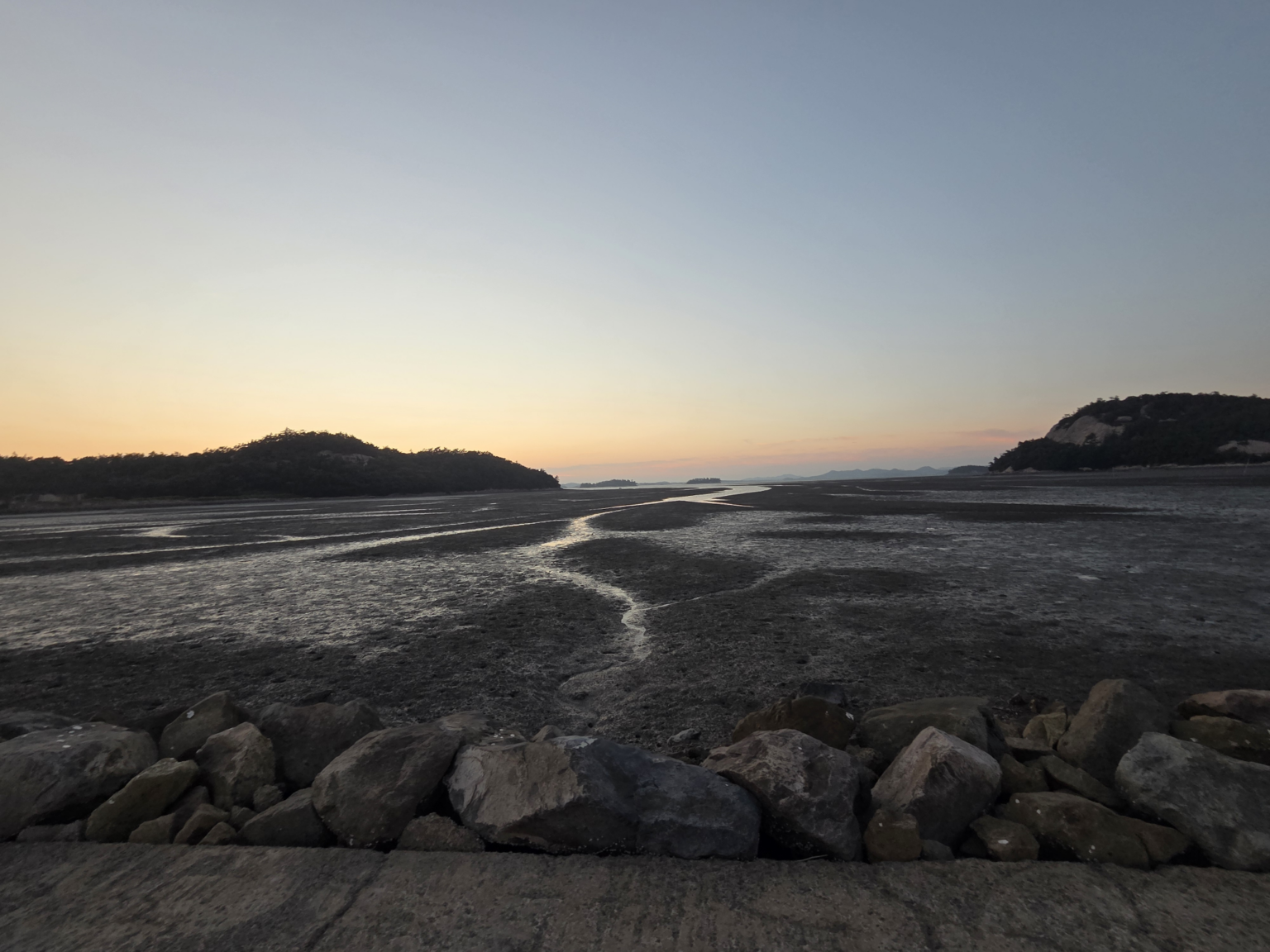
I am Korean, and even to me this landscape felt unusual. It did not look like the Korea I see every day.
The people were part of what made the island feel warm
Remote places can make foreign travelers wonder about communication, safety and whether local people will be comfortable with strangers.
My own experience was almost the opposite of that concern.
The residents I met were very kind. Meals were good, and people had that familiar Korean countryside habit of trying to give you one more thing—more food, something extra to take with you, one more thing they thought you might need.
It reminded me of a mother making sure you had eaten enough before you left the house.
The island also felt very safe to me. I would never describe any destination as completely risk-free, but the lack of crowds did not make me uneasy. It made me calmer.
What I would tell a foreign friend before going
Why I think foreign travelers should know about Soakdo
Korea tourism is often presented through speed: Seoul in three days, Busan in two, a KTX to the next city, another cafe, another famous photo spot.
Soakdo is almost the opposite.
You cannot completely control the tide. You have to think about the ferry. You walk slowly. You wait. You watch. Sometimes there is simply nothing happening.
And I think that is exactly why it can become such a special Korea experience.
The 12 Apostles are beautiful, but the real attraction is the space between them: the road, the mudflat, the smell of the sea, the small houses, the people, the silence, the ferry ride, the sunset, the night sky, and the cup of coffee when there is nowhere else you need to go.
Do not come here because you want to “complete 12 chapels.” Come because you want to spend a day moving through a landscape where the sea decides when a road exists.
Come because you want to see art without a museum around it. Come because you want the Korean countryside without crowds. And if you can, stay until sunset. Better yet, stay the night.
That was when Soakdo stopped feeling like a destination I was researching. It became a place I wanted to remember.
Soakdo makes more sense when Mokpo and Shinan become part of a wider route.
Use JAY’s tools to plan where to stay before or after the island, or to connect Shinan with the rest of southern Korea.